
Probate vs. Non-Probate: A Practical, In-Depth Look at Assets After Death in South Carolina
When someone dies and the estate is settled, not all of the assets are treated the same way. Some assets go through probate, while others pass outside of probate.
Assets that pass through probate are called probate assets.
Assets that do not pass through or go through the probate process are called non-probate assets.
If you are helping settle the estate of a loved one who recently died or are engaging in estate planning for yourself and your family, understanding this distinction is important.
Below is a practical, comprehensive overview of the topic that goes beyond the surface.
Why Probate vs. Non-Probate Matters
First, why does it matter?
Probate vs. non-probate is not just a legal technicality or a matter of semantics. It has real-world implications for the heirs and beneficiaries.
Whether an asset like a house, vehicle, or bank account is subject to probate or not will determine:
- How quickly the heir/beneficiary can take possession of certain assets
- Whether court oversight is required
- Whether the asset can be used/liquidated to satisfy creditors
- Whether the asset goes into the probate estate or not
On this last point, only assets subject to probate make up the “probate estate.” It’s from this pool of assets that debts, taxes, and other expenses are paid, and what’s left over is then divided among heirs. If someone has purposely tried to avoid probate, the probate estate itself will be small or non-existent. Read more about what it means to avoid probate in South Carolina, and why it’s not always necessary.
We’ll look at the probate process more below. Next, what assets are subject to probate, and what aren’t?
Probate Assets vs. Non-Probate Assets (Which Assets Are Always, Never, Sometimes Subject to Probate)
Whether an asset is subject to probate or not does not depend on whether there’s a valid will. Instead, it’s the legal mechanism of transfer that determines whether the asset is subject to probate or will pass outside of it.
- Probate: When the succession of ownership is determined either by the terms of the will or (if there is no will) by state intestacy law, the asset is subject to probate.
- Non-probate: When the transfer of ownership is controlled by beneficiary designation, survivorship terms, or contract language, the asset is not subject to probate.
Assets subject to probate in South Carolina:
- Real estate owned solely by the deceased
- Deceased’s share in real estate owned as joint tenants in common (TIC)
- Bank accounts solely in the name of the deceased with no valid POD (payable on death) designation
- Bank accounts owned jointly without explicit survivorship language
- Investment accounts with no valid beneficiary or TOD (transfer on death) designation
- Vehicles, etc.*, owned solely by the deceased
- Deceased’s share in a vehicle, etc.*, owned jointly with “AND” in the title
- Deceased’s interest in a business without a valid written succession plan
- Life insurance proceeds payable to the estate rather than an individual beneficiary
- Life insurance proceeds from a policy with missing or invalid beneficiaries
- Retirement accounts with missing or invalid beneficiaries
- Unpaid wages, commissions, or refunds owed to the deceased at the time of death
- Personal property (e.g., furniture, jewelry, clothing, physical cash)
Assets not subject to probate in South Carolina:
- Real estate owned as joint tenants with rights of survivorship (JTWROS) or owned with explicit survivorship language in the deed
- Vehicles, etc.*, with a TOD designation
- Vehicles, etc.*, jointly owned with “OR” in the title
- Deceased’s interest in a business with a valid written succession plan
- Life insurance proceeds from a policy with a valid named beneficiary
- Retirement accounts with a valid named beneficiary
- Annuities with a valid named beneficiary
- POD (payable-on-death) bank accounts
- TOD (transfer-on-death) investment accounts
- Assets correctly held in certain trusts
* “Vehicles, etc.” includes any property for which the SCDMV issues a title of ownership, including motor vehicles, mobile / manufactured homes, trailers / campers / RVs, etc.
Assets sometimes subject to probate depending on how they are owned/titled, include (but are not limited to):
- Mineral rights
- Digital assets
- Timeshares
- Intellectual property
- Promissory notes
- Structured settlements
A probate attorney can help unravel ownership and how these assets should be handled.
Cheat Sheet Chart by Asset and Ownership
Here’s a chart summarizing how different assets are categorized as probate or non-probate in South Carolina depending on how they are owned or titled:
| Deceased’s interest in: | Subject to probate: | Not subject to probate: |
| Real estate / real property | Owned solely by the deceased
Owned jointly as tenants in common (TIC) |
Owned jointly as tenants with rights of survivorship (JTWROS) or otherwise owned jointly with explicit survivorship language |
| Vehicles, inc. motor homes, RVs, etc. | Owned solely by the deceased without valid TOD designation
Owned jointly with “AND” in the title |
Owned solely with valid TOD designation
Owned jointly with “OR” in the title |
| Bank and investment accounts | Owned solely by the deceased without a POD or TOD designation
Owned jointly but without explicit survivorship language |
Owned solely by the deceased with a valid POD or TOD designation
Owned jointly with explicit survivorship language |
| Retirement accounts, life insurance proceeds, and annuities | Proceeds from policies and accounts with missing or invalid beneficiaries
Life insurance proceeds payable to the estate rather than an individual |
Proceeds from policies and accounts with valid named beneficiaries
|
| Business (LLC, partnership, etc.) | Interest in business without a valid written succession plan | Interest in business with a valid written succession plan |
| Other | Unpaid wages, commissions, refunds owed to deceased at time of death
Personal property (e.g., furniture, jewelry, clothing, physical cash) |
Assets correctly held in trust |
Where Probate vs. Non-Probate Gets Complicated
The lists above are nice and neat, but they don’t fully reflect the sometimes-messy reality of probate. Here are some areas to watch out for that can cause confusion:
“Joint ownership” without survivorship language. In South Carolina, joint ownership doesn’t mean automatic ownership for the surviving co-owner. There must be explicit language regarding survivorship succession for the asset to pass outside probate. For real property, this means survivorship language in the deed itself. For bank accounts or investment accounts, this means survivorship language in the account agreement. If that language is missing, the deceased’s interest in that asset will be subject to probate.
Property located or titled in another state. Different states recognize different forms of ownership, which can affect whether an asset is subject to probate.
For example, South Carolina has not recognized a type of ownership of real property called “tenants by the entirety” (TBE) since 1953, but several other states still do. If a property owned as TBE is located in another state, a South Carolina court will follow the rules of that state. This usually means ownership of the deceased’s interest in the property will automatically pass to the surviving tenant outside probate. But if a property owned as TBE is located in SC (rare, but it can happen), and the deed does not contain explicit language on survivorship, it will be treated as if it were owned as joint tenants in common. Then the deceased’s interest in the property will be subject to probate.
Insolvent estates. Many assets passing outside of probate are shielded from creditors by law, but not all. In cases where the estate is insolvent – i.e., there’s not enough in the probate estate to cover debts, taxes, and other expenses – creditors may be able to recover from certain non-probate assets, even though they are not part of the probate estate.
Undetected errors, mistakes, and inconsistencies. Assets intended to pass outside of probate may end up in the probate estate for a variety of reasons, including named beneficiaries who are pre-deceased or missing, mistakes in language on a deed or title, unenforceable business operating agreements or buy-sell agreements, or improperly funded trusts. These kinds of errors only come to light in the course of settling the estate.
How Ownership of Probate Assets Passes, and How Long It Takes
Assets subject to probate must go through probate, the process of tying up legal and financial loose ends after a person dies, in order to be put in the heir’s possession.
The probate process is overseen by the county’s probate court. The personal representative, whose job it is to settle the estate of the deceased, often works with a probate attorney to get it done. Probate assets can only be transferred to heirs after approval from the probate court. Read more about the steps and costs of probate or read more about the role of the personal representative (aka executor) in South Carolina.
The personal representative and the probate attorney create an inventory of the deceased’s outstanding debts and assets. The assets subject to probate make up the “probate estate.” Debts, expenses, and final taxes are paid first out of the probate estate. Only then are the remaining assets distributed among heirs either according to the terms of the valid will or according to state intestacy laws. Read more about what happens to a person’s estate when they die “intestate” (without a will) and read more about the importance of probating the estate and taking the step-up in basis.
Timeline: How quickly heirs can take possession of their inheritance depends in part on state law, in part on the estate’s complexity and solvency. South Carolina law gives creditors eight months from the time notice is published to make a claim and expects most estates to be closed within three years after death.
Small estates: Small estates (estates with no real property that are valued under $45,000 as of May 2025) may qualify for a simplified, expedited process. Assets may pass to the heir(s) within just a few months after death.
Most estates: Disbursements typically occur within 9-12 months for most estates. If the estate is clearly solvent and straightforward, the personal representative may begin making partial disbursements even before the full eight months has passed.
Complicated and/or potentially insolvent estates: Disbursements typically occur once all outstanding issues (lawsuits, liens, debts, etc.) have been resolved, which may be many months or even years after death.
How Ownership of Non-Probate Assets Passes, and How Long It Takes
Ownership of assets not subject to probate passes according to the way the asset is owned or titled. Ownership is transferred:
Either automatically: For some assets, ownership passes automatically upon death without the heir/beneficiary having to do anything. E.g., interest in real estate owned as JTWROS or otherwise owned jointly with explicitly survivorship language in the deed; interest in a vehicle jointly owned with “OR” in the title; bank accounts owned jointly with survivorship language; and assets owned in certain kinds of trusts.
While it’s not absolutely necessary, the heir may have vehicles and real property retitled in his or her name only to keep the chain of title clean.
Or after claiming: For other assets, the heir/beneficiary must claim them to take legal possession. This usually requires submitting a claim form along with the death certificate and any other information required under the rules of the particular asset. E.g., life insurance proceeds, retirement account proceeds, POD or TOD accounts, and annuities.
Timeline: Heirs/beneficiaries may take or claim possession of non-probate assets right away without waiting for any set amount of time to pass. Approval from the probate court is not required. (Remember, however, that some non-probate assets may still be subject to creditors’ claims if the estate is insolvent.)
For Help with Estate Planning and Probate in SC, Call Gem McDowell
Are you the personal representative in charge of settling a loved one’s estate? Or are you looking for help with your own comprehensive estate plan? Gem and his team at the Gem McDowell Law Group can help. Gem has over thirty years of experience practicing in South Carolina, including helping families navigate the probate process and creating custom estate plans that avoid surprises and ensure peace of mind. Call today to schedule your free, no-obligation consultation. Offices in Myrtle Beach and Mt. Pleasant, SC. Call 843-284-1021 today.

Did You Know? SC Estates Over $600,000 Must Be Reported to the SCDOR
After someone dies in South Carolina, one of the duties of the personal representative (aka executor) is to create an inventory of the decedent’s probate assets and fair market value, as described in South Carolina Code Section 62-3-706. This inventory and appraisement must be filed with the court and mailed to any interested party within 90 days.
From there, the probate judge must send a copy of the inventory and appraisal to the South Carolina Department of Revenue (SCDOR) for every estate with probate assets of $600,000 or more, as detailed in SC Code Section 12-16-1220.
Here is the full text of that section:
“SECTION 12-16-1220. Information to be furnished by probate judge.
“The probate judge shall send to the department by mail a copy of the inventory and appraisal of the assets of every estate the gross assets of which for probated purposes are equal to or exceed the sum of six hundred thousand dollars within thirty days after it is filed, together with a copy of any will probated with respect to the estate. In the case of a nonresident decedent, the probate judge shall furnish the department with copies of all wills filed with his office and, in the case of an ancillary administration, the probate judge shall furnish the department with copies of inventories and appraisals in all cases regardless of the value of the tangible personal property and real property having a situs in this State.”
HISTORY: 1987 Act No. 70, Section 1.
What’s the purpose of this?
The purpose was to ensure that South Carolina received all the state-level estate taxes it was owed prior to 2005.
This law was created in 1987, when the unified credit amount was changed from $500,000 to $600,000, where it remained for a decade. All estates with probate assets of $600,000 or more were subject to federal estate taxes.
Also at that time, the federal government offered a federal credit against state estate taxes. This meant that a portion of an estate’s federal estate taxes would go to the state. South Carolina (and many other states) instituted a “pickup tax” equivalent to the amount of the federal credit. (See SC Code Section 12-16-510)
The federal credit was fully phased out in 2005, and South Carolina has no separate provision for collecting state-level estate taxes. So while the laws requiring reporting estates of $600,000 or more to the SCDOR and the “pickup tax” are no longer relevant, they remain on the books.
Get Help with Estate Planning
Gem and his team at the Gem McDowell Law Group help individuals and families across South Carolina create personalized estate plans to protect your interests and give you peace of mind. Schedule your free consultation today by calling us at (843) 284-1021 today.

11 Common Myths About Wills – Do You Believe These Misconceptions?
Which of these myths and misconceptions about last wills do you believe?
Myth: I have a will, so my estate will not go through probate.
Truth: Having a will does not mean your estate avoids probate.
This myth likely persists because of a misunderstanding of what probate is. Probate is simply the process of settling an estate’s debts and transferring ownership of certain assets to the appropriate heirs. To that end, a last will actually helps guide the probate process by directing what should happen to assets that are subject to probate.
Learn more about probate in South Carolina here on our blog.
Myth: Only rich people need a will.
Truth: Wealth is not the only factor to consider when it comes to creating a will.
Distributing sums of money to various heirs is not the only function of a will. In a will you can also name a guardian to take care of your minor children, specify who should receive personal property like family heirlooms, and name a personal representative / executor to be in charge of managing and closing the estate.
Making your wishes clear in a last will can be especially helpful if you have a complex family situation like second or third marriages with stepchildren or strained relationships with would-be heirs. By recording your final wishes in a will, you can help avoid litigation and arguments between beneficiaries after your death and other ramifications of Family Malpractice™.
Myth: Only old people need a will.
Truth: You don’t know when you’ll need a will; death can come at any age.
It can be hard to face your own mortality, but that’s not a good reason to put off getting a will. No matter your age, you should have a will, especially if you have children or other dependents.
Myth: My family knows what my wishes are, so I don’t need a will.
Truth: Your family does not determine what happens to your estate after your death.
If you die without a will, aka intestate, your estate is subject to your state’s intestacy laws. It’s not up to your family members to direct where your assets go, even if they did want to honor your wishes. And in many cases, sadly, they don’t want to honor the decedent’s wishes. A valid will with valid stipulations is the only legally binding way to direct where your assets that are subject to probate will go.
Myth: I don’t need a will because my spouse has power of attorney.
Truth: Your spouse’s powers under a power of attorney cease upon your death.
A power of attorney (POA) becomes invalid upon the death of the principal. So even if you grant your spouse unlimited powers over your estate through a POA during your life, those powers disappear upon your death, and your spouse has no legal authority to direct where your assets go. You can either rely on a valid will to determine what happens to your estate after death or you can rely on your state’s intestacy laws. There is no third option.
Learn more about powers of attorney here on our blog.
Myth: I don’t need a will because my only real asset is my house.
Truth: Even more reason to have a will!
If you die without a will, intestacy laws apply. In South Carolina and many other states, that means half your estate goes to your spouse and half your estate is split among your children. This can create a few different nightmare scenarios for surviving family members, such as the creation of heirs property, or a disagreement between the spouse and kids on what to do with the house. Read more about intestacy in South Carolina and what can go wrong here on our blog.
Myth: If I die without a will, my spouse will get everything, which is what I want anyway.
Truth: Maybe, maybe not. Don’t just assume your spouse will get everything.
This depends on your situation and your state’s intestacy laws. Under intestacy laws in most states, if you have a spouse and no issue (descendants) at death, your entire estate will indeed go to your spouse. But in some states, your parents or siblings could be entitled to a share. And if you do have children or grandchildren, your estate will likely be split in some manner between them and your spouse.
Myth: If I die without a will, the government will get everything.
Truth: Your estate will go to your relatives, and only in the rarest of cases will it go to the state.
Different states have different intestacy laws, but all states pass the estate on to the heirs of the deceased. The estate will go to the government as a last resort only if no heirs, close or distant, are located. But this is rare.
For example, in South Carolina, the estate will go to the surviving spouse or be divided between the surviving spouse and issue (descendants); if none, then to surviving parent(s); if none, then to issue of a parent (i.e., siblings); if none, then to grandparents or issue of grandparents; if none, then to great-grandparents or their issue. If none, only then does the estate pass to the state (see South Carolina Code Section 62-2-105).
So you can see that it would be a rare situation in which a person’s estate would go to the government. In the vast majority of cases, some surviving heir(s) will be located first.
Myth: I am the personal representative/executor for someone’s estate, so I can do what I want.
Truth: Personal representatives/executors have well-defined responsibilities and limited powers.
Personal representatives/executors do not have carte blanche to do whatever they want. Their role is to carry out the wishes of the decedent as stated in the will and settle the estate. In that role, they have a legal duty to execute the terms of the will in accordance with state law and a fiduciary duty to act in the best interest of the estate and its beneficiaries. If they fail to uphold their legal and ethical obligations, they can be held personally responsible.
Read more about the rights, responsibilities, and risks of being a personal representative on our blog.
Myth: I have a trust, so I don’t need a will.
Truth: Even with a trust, you should consider getting a “pour-over will.”
A pour-over will is a specific kind of will that ensures any assets left out of your trust(s) at the time of your death will be transferred into the trust(s). It’s not uncommon for people to create elaborate estate plan to avoid probate and forget to include an asset in the trust, meaning in addition to the expense of the trust, the estate must go through probate anyway. Getting a pour-over will should be part of your estate plan if you are determined to avoid probate.
Read more about different types of wills.
Myth: I can make small changes to my will on my own.
Truth: Changes to your will must follow legal formalities under state law to be valid.
Changes to a will are valid only if they follow the same legal formalities as the original will, such as being signed in the presence of two disinterested witnesses. This means you can’t just strike out terms and write in new ones, even if the changes you want to make are small. Make changes to your will by adding a valid codicil or drafting a new will entirely.
Two exceptions: 1. You can make changes to a handwritten memorandum if it’s legal in your state and referred to in your original will. 2. You can make changes to a holographic will, which is a type of will entirely written in the testator’s hand without a witness or notary.
Myth: My old will must be destroyed for the new one to be valid.
Truth: A new, valid will automatically renders previous wills invalid.
There’s no legal requirement to destroy an old will to make a new one valid. While some people believe there’s value in keeping old wills, in our practice we make a point to destroy them by shredding whenever possible.
Get Help with Your Will and Estate Plan in South Carolina
Do you need help with a will or trust? Whether you need a simple and straightforward will or a comprehensive estate plan for a large or complex estate, Gem McDowell and his team at the Gem McDowell Law Group can help. Call to schedule a virtual or in-person consultation at the Myrtle Beach or Mt. Pleasant, SC office today at 843-284-1021.

Different Types of Wills and How to Choose the Best One for You
Did you know that there’s more than one type of last will and testament? Having a current, valid will is a vital part of avoiding Family Malpractice™ and ensuring your wishes are carried out after you’re gone. The right type for you depends on your individual and family circumstances. In this article, we’ll look at different types of wills and the circumstances each kind is best suited for.
Note: This list does not include a living will, aka health care proxy or advance health care directive. A living will records an individual’s wishes for medical and health care while they are alive but unable to make decisions about their own care. In contrast, a last will documents an individual’s wishes for how to dispose of their estate and only comes into effect upon their death.
Types of Formal Wills
A “formal will” is one that is written down and which the testator has signed in the presence of witnesses. There are several types of formal wills, including the following:
- Simple will
- Personalized will
- Joint will
- “I love you” will
- “Brady Bunch” will
- Pour-over will
Let’s look at each in turn.
What is a Simple Will?
A simple will is the most straightforward kind of will. It contains the essential parts of a will, including the declaration of the testator, nomination of a personal representative (aka executor), and instructions on distributions to beneficiaries. If you go the DIY route and get a fill-in-the-blanks will online or from a store, it’s likely a simple will without much flexibility to address unique circumstances.
A simple will is a good choice for: Individuals with no assets and no family.
Many people come to our law offices asking for a simple will, but that’s not what they need. A true “simple will” is exceedingly rare. That’s because the kind of person it’s ideal for – someone with no assets and no family – is unlikely to get a will in the first place.
A “simple will” is a misnomer because there’s nothing simple about it. Say you want to leave everything to your spouse, but what if your spouse predeceases you? What if you want to then leave everything to your minor children but you have no trust to hold their assets? How will assets be divided if you and your spouse have children from previous partnerships? Who should take guardianship of your minor children? And so on. Matters go from simple to complex quickly when considering matters of inheritance.
For most people, a standardized simple will doesn’t cut it; what they really need is a personalized will.
What is a Personalized Will?
There isn’t a standard term for a will that’s more complex than a simple will, so we will call it a personalized will, or a custom will. This is a will that’s drawn up by an attorney and is tailored to the individual to reflect their unique life circumstances, family dynamics, estate size and complexity, and wishes. While many people come into our offices asking for a simple will, what they really need is a personalized will.
A custom will can do more sophisticated estate planning than a simple will because it’s more flexible and tailored to you. For example, this kind of will might include testamentary trust provisions (to outline terms of a trust that may be established upon the testator’s death), employ strategies to protect assets and avoid unnecessary taxes, detail contingency planning for various scenarios, and much more.
A custom / complex / detailed will is a good choice for: Individuals with family, especially minor children or other dependents and/or larger or more complex estates and/or complicated family dynamics.
What is a Joint Will?
A joint will is one document containing the last wishes of multiple people. In practice, it’s most often used for couples, but theoretically three or more people could share a single joint will. These were much more common in the past but have now fallen out of favor.
A joint will is a good choice for: Nobody.
Here at the Gem McDowell Law Group, we do not draft joint wills, and we advise against them. That’s because they are inflexible; in South Carolina, after one spouse dies, the terms of the joint will cannot be changed. This means the surviving spouse must abide by the terms of the joint will, even if circumstances change through subsequent marriage, stepchildren, or other major life events.
Some states do allow for the revocation of a joint will after the death of a spouse. However, we still don’t recommend this type of will when there are better options available, such as the “I love you” will.
What is an “I Love You” Will?
An “I love you” will is a reciprocal will often used by spouses where the language is the same in each partner’s will except for the names being flipped. Each partner leaves their estate first to their spouse and then, if their spouse predeceases them, to their children. Couples who may have chosen a joint will in the past may choose an “I love you” will now, as it’s more flexible and allows a surviving spouse to change the terms of the will as needed.
An “I love you will” is a good choice for: Married couples with no children or with shared children (i.e., no stepchildren) who are on the same page and who trust each other. Read more about whether an “I love you” will is right for you here.
What about couples on second or subsequent marriages with children from previous partners? We find that an “I love you” will doesn’t adequately address the needs of blended families, but a “Brady Bunch” will does.
What is a “Brady Bunch” Will?
This is not a common term but one we use in our practice to describe wills that can best handle the needs of blended families which includes children from previous relationships. This is where issues of inheritance can become complex. For example, does each partner leave an equal share to all the children, or a larger share to their biological children? Does each partner leave their full estate to the surviving spouse, or divide it between their spouse and children? These are the types of issues that need to be discussed first, preferably with an attorney who has experience creating estate plans for blended families.
A “Brady Bunch” will is a good choice for: Married couples where one or both spouses has children from a previous marriage or partnership.
What is a Pour-Over Will?
A pour-over will is a particular type of will that directs all the testator’s assets to “pour over” into a previously established trust. Unlike the other kinds of wills discussed so far, this kind of will is not used on its own, but as part of a larger estate plan usually created to avoid probate.
A pour-over will is a good choice for: Someone with a large or complex estate who wants to avoid probate. It’s essential to work with an experienced estate planning attorney to ensure the pour-over will and existing trusts work together.
Other Kinds of Wills
The two types of wills here – holographic and nuncupative, or oral – are rare. They’re included on this list because you may have heard these terms and wonder what they mean, but we do not recommend depending on these types of wills for your estate plan.
What is a Holographic Will?
From the Greek words “holos” meaning “whole” and “graphos” meaning “written,” a “holographic” will is one that is wholly written and signed by the testator in their own hand without any witness or notary. The absence of any witness or notary is what differentiates a holographic will from a handwritten will, which is any will written in the testator’s hand.
The validity of holographic wills varies greatly by state. Only a handful of U.S. states permit holographic wills for anyone, while some states allow them only for certain individuals in certain circumstances, such as members of the Armed Forces. Some states, including South Carolina, don’t recognize holographic wills.
A holographic will is a good choice for: Nobody.
A holographic will is never a “good” choice, as they are difficult to validate and are more likely to be contested in court. However, it might be the last and only resort for someone in exigent circumstances, such as a soldier on the battlefield facing possible death.
What is a Nuncupative Will, aka Oral Will?
A nuncupative will (from the Latin “nuncupare” meaning “to declare”), or oral will, is one that is not written down but instead is spoken in the presence of witnesses. It is very rare and only allowed by some states and in some circumstances. For instance, some states allow nuncupative wills if the testator is a military member in armed conflict or if the testator is on their deathbed, and only for personal property.
A nuncupative will is a good choice for: Nobody.
As with a holographic will, an oral will or nuncupative will should be a last resort as it’s hard to enforce and much more likely to lead to confusion and litigation than a formal will.
Get a Will That’s Right for YOU and Your Circumstances
A last will is arguably the single most important estate planning document you can have. It’s the best way to ensure your wishes regarding your estate and your dependents are carried out after your death – but only if it’s tailored to your family’s needs and your unique circumstances.
For help creating or revising your South Carolina will, call estate planning attorney Gem McDowell at the Gem McDowell Law Group. Gem and his team will create a will just for you, whether you need a straightforward simple will or a highly customized will that addresses complex estate questions and complicated family dynamics. They can also help you with other estate planning documents like living wills, powers of attorney, trusts, and more, for a comprehensive estate plan that reflects your wishes.
Schedule your appointment or free consultation at the Myrtle Beach or Mount Pleasant, SC office by calling 843-284-1021 today.

What a Will Can and Can’t Do
A last will is an important and powerful estate planning document. However, there are many things you cannot legally do through a will. Before drawing up your own will, you should know what a will can and can’t do so you can ensure your intentions are carried out.
Note that laws regarding wills vary from state to state. Speak with an estate planning attorney in your state if you have specific questions about what is and is not allowed under the law in your state.
A will can: Direct where assets subject to probate should go.
A will can direct where assets subject to probate go. Probate is the court-supervised process that settles the estate’s debts and taxes and transfers the remaining assets to the appropriate beneficiaries. Common assets subject to probate include:
- Real property solely owned or owned as tenants in common
- Bank and investment accounts without a beneficiary
- Personal property like cars, clothes, and furniture
Learn more about probate in South Carolina here on our blog.
A will cannot: Direct where assets not subject to probate should go.
A will cannot disburse assets that are not subject to probate, such as:
- Real property owned as joint tenants with rights of survivorship
- Payable on Death (POD) or Transfer on Death (TOD) accounts
- 401Ks, IRAs, and other retirement and pension accounts with a named beneficiary
- Life insurance proceeds from a policy with a named beneficiary
- Assets in irrevocable trusts and revocable living trusts
These assets are not subject to probate and go directly to the listed beneficiary or co-owner (in the case of assets owned jointly), bypassing probate altogether. Only if the assets are unable to go to the beneficiary or co-owner – if, for example, they predeceased you – would they end up going through probate.
A will can: Disinherit a blood relative.
A testator has the right to disinherit an adult child, sibling, parent, or any other blood relative in their will. (Whether an individual can legally disinherit a minor child depends on state law.)
A will cannot: Disinherit a spouse.
Spouses are protected under the law and are entitled to a portion of the deceased spouse’s estate after death, regardless of the provisions in the will. The only way to disinherit a spouse is to get their knowing consent in writing, and that must happen separately from the will.
In community property states, the surviving spouse is automatically entitled to the “community property share,” which is one half of the assets acquired during the marriage. Couples in these states may use a prenuptial agreement or postnuptial agreement to waive the surviving spouse’s right to the community property share.
Other states have something called “elective share,” a portion of the deceased spouse’s estate that the surviving spouse is entitled to under the law. This amount varies by state; in South Carolina, it’s one third. The only way to legally disinherit a spouse is for both spouses to sign a waiver of elective share. Read more about how to disinherit a spouse in South Carolina with a waiver of elective share here on our blog.
A will can: Put reasonable conditions on inheritance.
A testator is allowed to put legal, reasonable conditions on inheritance. For instance, a testator may say that their daughter will inherit the lake house when she turns 25 or that their nephew will inherit $50,000 if he earns a college degree by 30.
A will cannot: Put invalid conditions on inheritance.
A testator cannot make inheritance conditional on things that are illegal or that violate public policy. For instance, stipulating that a son will inherit his portion of the estate only if he marries someone of the same race or that a daughter will inherit $100,000 if she divorces her current husband will likely not be honored.
This is case-dependent and varies by state, so if you are considering including questionable stipulations in your will, discuss it first with an experienced estate planning attorney in your state.
A will can: Name individuals to certain roles.
The testator can name the people you’d like to be your personal representative / executor, guardian(s), and trustee(s). Naming people who are fit for the job and who have already agreed to take it on can save time in the probate process.
A will cannot: Obligate individuals to take certain roles.
An individual named in the will is not legally obligate to take on the role and may decline it. In that case, the probate judge will appoint someone else.
For this reason, it’s wise to talk with the individuals you choose to make sure they agree to take on the role and to include a back-up, just in case.
A will can: Help avoid Family Malpractice™.
Family Malpractice™ is a term we use for an individual whose actions or negligence have put their family in a bad legal situation. Most often, this happens as a result of not doing something that should have been done, such as not having a valid will drawn up. Dying without a will is one of the main causes of Family Malpractice™, as it can cause financial hardships, legal challenges, and family rifts for those left behind.
Getting a will is not just about carrying out your wishes after you’re gone, but about protecting your family and their future, too.
Get Help with Your Will and Estate Plan
Do you have a last will in place or are you relying on the government to decide where your assets should go after your death? If you live in South Carolina and you’re looking for help creating or updating a will, call estate planning attorney Gem McDowell. Gem and his team at the Gem McDowell Law Group help individuals and couples in South Carolina create wills and estate plans tailored to their circumstances and needs. Call 843-284-1021 to schedule an appointment or a consultation at the Myrtle Beach or Mount Pleasant, SC office today.
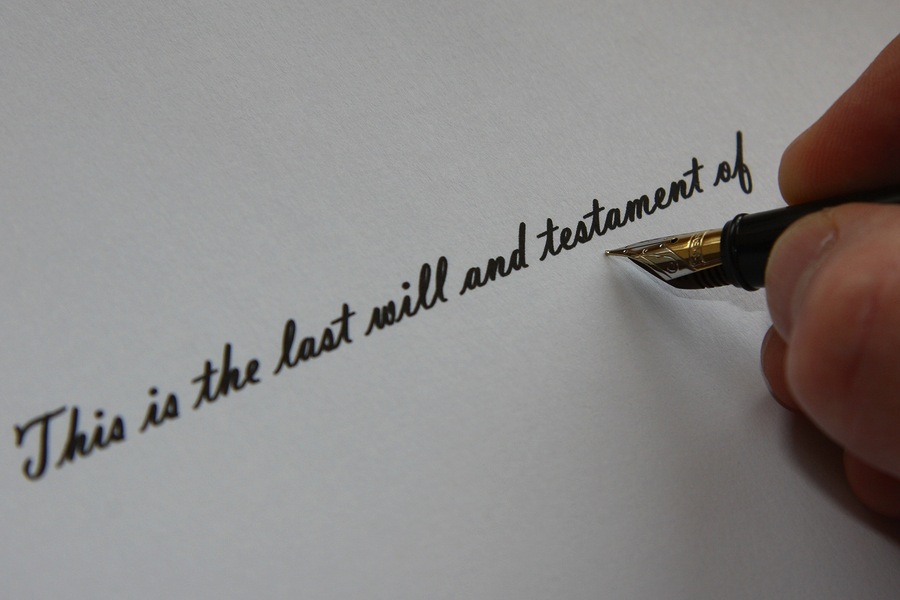
What Is a Will?
A last will and testament is arguably the single most important estate planning document you can have. Not having a valid, up-to-date will is a leading cause of Family Malpractice™ and can create legal, financial, and even personal problems for your heirs. If you’re an adult, you should have a last will, even if it’s a simple one.
But let’s start at the beginning:
What is a will?
A will is a legally binding document that directs what should happen to a person’s estate after death.
A last will is a legal instrument in which someone – the testator (or, sometimes, testatrix for a woman) – specifies what should happen to their estate and dependents after they die. In the United States, a will is subject to state laws, which vary somewhat from state to state.
A last will is entirely different from a living will (aka, advance directive or advance healthcare directive), which is a legal instrument outlining wishes for end-of-life care or care after incapacity. In contrast, a last will only comes into effect upon the death of the testator.
There are different types of wills, including simple wills, “I love you” wills, pour-over wills, and more. Read more about the Different Types of Wills and how to choose the best kind for you and your circumstances on our blog.
What can a will do?
A valid, up-to-date will can ensure that your intentions for what happens to your estate and your dependents after your death are known and honored.
By making your wishes clear, you can help prevent litigation, legal quagmires, and fractured relationships that can result when someone dies either without a will (this is called dying intestate) or with an invalid, unclear, or out-of-date will.
A will allows the testator to:
Direct how and where certain assets in the estate will go.
A will only directs how to handle the testator’s assets that are subject to probate, the court-supervised process of paying debts and taxes and transferring ownership of remaining assets after a person’s death. Learn more about probate in South Carolina here on our blog.
Assets subject to probate include bank accounts without a named beneficiary, real estate not owned jointly with rights of survivorship, and personal property. Assets not subject to probate include life insurance proceeds, retirement accounts, and assets held jointly, such as real property owned as a joint tenancy with rights of survivorship. These assets bypass the probate process and go directly to the named beneficiary or co-owner.
If someone dies without a will, aka dies intestate, then state statute determines what happens to their assets and children/dependents. A valid last will is the best way for you – not the government – to direct what happens to your estate after you die. Read more about dying intestate in SC here.
Make arrangements for care of dependents.
The testator can name a guardian to take on legal responsibility for any minor children or other dependents (such as an adult child who needs lifelong care). The testator may also make provisions to create a trust for minor children or dependents and name a separate trustee to manage and oversee the trust’s assets.
Name a personal representative.
The testator can name a personal representative, aka an executor (or sometimes executrix, for a woman), to carry out the intentions of the will and close the estate.
And…
Depending on the testator’s unique circumstances, a will can also be used to:
- Create one or more trusts to hold assets for beneficiaries
- Make donations to charitable organizations
- Make arrangements for care of pets
- Make final wishes for funeral/cremation/celebration of life known
On this last point, we don’t believe a last will is the ideal place to include final wishes. For one, a decedent’s will may not be located and read for several days or weeks after death, by which time it’s too late. Also, last wishes may not be legally binding. If being cremated is important to you, read about legally binding pre-authorization forms for cremation in South Carolina.
A last will has several other limitations as well. Read more about What a Will Can and Can’t Do on our blog.
Parts of a will
A will can and should be tailored to an individual’s circumstances. It may end up being simple and straightforward or long and complex, depending on the nature of the testator’s estate, wishes, and family circumstances. However, most wills typically contain the following basic sections:
Declaration of the testator. The testator gives his or her name and personal information (city and state of residence, marital status, and children), states that he or she has testamentary capacity, and states that the document that follows is intended to be his or her last will. Testamentary capacity is the legal threshold of cognitive ability the testator must meet in order to execute a valid will. This is where the phrase “being of sound mind” may occur.
Naming a personal representative / executor (executrix). The testator names someone to carry out the intentions of the will and close the estate. (Read more about the rights and roles of the personal representative in SC here on our blog.)
Settling debts and taxes. The testator directs how debts and taxes should be paid and may specify from which account or source.
Bequests/Gifts and distribution of assets. The testator lists exactly which assets should go to which beneficiary. The gifts may be specific (such as a particular diamond necklace or piece of real property) or general (such as $20,000). The testator may also specify which sources should be used, e.g., “$20,000 from my [XYZ] Bank savings account.” Alternatively, the testator may choose to divide the estate among heirs by percentages.
Note that in some states, a written memorandum can be used to bequeath personal property to beneficiaries; read more about the written memorandum below.
Appointing a guardian for children and dependents. If the testator has minor children or other dependents, he or she should name a guardian to take on legal responsibility for their care and a back-up guardian.
Signatures. The testator signs the will, often in the presence of two witnesses, though the exact requirements vary by state. Failure to follow state law here can result in the will being invalid.
Depending on an individual’s circumstances, the will may also contain sections on trusts and trustees, guardians for surviving pets, special requests for funeral or memorial services, and more.
Supplemental Parts of a Will
A testator may wish to make changes to the will sometime in the future. Having an entirely new will drawn up is one way to make changes. Alternatively, the testator may use a codicil or a written memorandum to document the changes. Here’s how these two supplementary parts of a will work and how they’re different:
Codicil. A codicil is a separate document that allows the testator to make changes to the will without drafting an entirely new will. It must be executed in the same manner as the original will (e.g., with two witness signatures) in order to be valid.
Written memorandum or personal property memorandum. Some states, including South Carolina, allow for a separate document in which the testator can bequeath personal items like family heirlooms or coin collections. A written memorandum cannot be used to distribute real property, cash, or securities like stocks and bonds. The written memorandum should be referred to in the will.
Get Help with Your Will and Estate Plan
Do you have an up-to-date last will? Having a current and valid last will is key to doing right by your family and avoiding Family Malpractice™.
If you live in South Carolina and you need to update your will or have one drawn up for the first time, contact estate planning attorney Gem McDowell of the Gem McDowell Law Group. He and his team can help you create a last will and comprehensive estate plan tailored to your circumstances, wishes, and needs.
Call to schedule an appointment or consultation at the Myrtle Beach or Mount Pleasant, SC office today at 843-284-1021.
How to Disinherit a Spouse in South Carolina Through Elective Share Waiver (Or: Pillow Talk Is Not Enforceable)
A lady came to our offices for help with her estate plan which included setting up a new trust to hold her assets. She planned to leave everything to her kids and nothing to her husband, which she said her husband had agreed to. He never signed anything on paper to that effect, but she insisted that he was okay with the arrangement.
Literally the following week, she died. Her husband then filed for elective share, which is the portion of a deceased person’s estate that a surviving spouse is entitled to by law. There was nothing barring the husband from receiving a portion of his wife’s estate, despite her wishes.
What could the wife have done differently?
Below we’ll look at elective share and how to disinherit a spouse in South Carolina.
Elective Share in South Carolina
A surviving spouse is entitled to a portion of the deceased spouse’s estate under the law regardless of the terms of the deceased spouse’s will. This portion is called the elective share, or spousal elective share. The portion the surviving spouse can claim varies by state; in South Carolina, it’s one third.
The surviving spouse may claim elective share even if the couple was estranged or in divorce proceedings at the time at the time of death. We previously covered a case on this blog in which a surviving spouse was able to claim elective share after the court granted the couple’s divorce, since the husband happened to die in between the court’s decision and the clerk filing and recording the divorce decree. [Read about that case, Hatchell-Freeman v. Freeman (2000) here.]
What the Surviving Spouse is Entitled To
In South Carolina, the surviving spouse is entitled to one third of the deceased spouse’s estate. This third includes assets that are not subject to probate, such as life insurance proceeds, retirement accounts, property owned jointly with right of survivorship, and assets in revocable trusts. The value of these and other interests due to the surviving spouse count towards the elective share first, along with the value of anything that was renounced or disclaimed. Only then is the balance due taken from the probate estate.
Claiming elective share usually means a surviving spouse will inherit assets that would otherwise have gone to other heirs named in the deceased spouse’s will. Because of this, the surviving spouse has a duty under South Carolina code Section 62-2-205(b) to inform recipients of the probate estate whose interests are adversely affected of the time and date of the hearing set to determine elective share.
Disinheriting a Spouse in South Carolina: A WRITTEN Waiver of Elective Share
The laws regarding elective share ensure that a spouse is not easily disinherited.
But an individual can fully disinherit a spouse in South Carolina. This may happen, for example, in blended families when each spouse wants to leave their assets to their own children and knows that the other spouse is financially secure. Or an individual may wish to disinherit a spouse because of estrangement or separation.
Whatever the reason, it’s important to know that drawing up a will or creating an estate plan that intentionally leaves out the spouse is not enough. The couple must take active steps to disinherit a spouse in South Carolina.
Written Waiver of Elective Share
A spouse may voluntarily agree to give up all or part of their elective share. The spouse who is to be disinherited must agree to waive the right to elective share in writing. Such a waiver is often part of a prenuptial or postnuptial agreement but may be a standalone document.
The spouse waiving their right to elective share in whole or in part must be fully aware of what they are giving up. South Carolina code Section 62-2-204 requires that the disinheriting spouse provide “fair and reasonable” disclosures of their property and financial obligations in writing to the waiving spouse.
Schedule a Free Consultation with Estate Planning Attorney Gem McDowell
For legal help and advice on waiver of elective share, prenuptial or postnuptial agreements, probate, or other estate planning concerns, call Gem McDowell of the Gem McDowell Law Group of Mt. Pleasant and Myrtle Beach. Gem and his team help families in the greater Charleston and Myrtle Beach areas create and review estate plans to help ensure their wishes are carried out.
Gem can also help you understand the consequences and potential downsides of your estate plan. Sometimes estate plans created with the best of intentions can lead to unintended consequences, disputes, and fractured relationships between family members and heirs.
If you have a complicated family situation, a large estate, or you simply want a basic estate plan put in place for your peace of mind, call Gem and his team today at 843-284-1021.

What is a Lady Bird Deed? Are Lady Bird Deeds Legal in South Carolina?
A lady bird deed, like other kinds of deeds, determines how ownership of a property is transferred and to whom. It’s similar to a life estate deed in that it allows the transfer of property outside of probate. But the big difference is that a lady bird deed gives the life tenant rights to the property that are restricted by a traditional life estate deed, such as the right to mortgage or sell the property.
A lady bird deed – also known as a ladybird deed or an enhanced life estate deed – can be a useful tool in the right estate plan. But it’s not right for everyone, and using a lady bird deed can lead to serious unintended consequences.
Let’s look at what a lady bird deed is and what it does, the advantages and disadvantages of the lady bird deed, and lady bird deeds in South Carolina.
What Is a Lady Bird Deed? What Does a Lady Bird Deed Do?
The lady bird deed was created by Florida attorney Jerome Ira Solkoff in the early 1980s; the name comes from Solkoff’s book and is not a reference to First Lady “Lady Bird” Johnson. Solkoff started using the lady bird deed to address an issue with the traditional life estate.
In a typical life estate, a piece of property (often but not always real estate) is owned by a “life tenant” for the duration of their life only. When the life tenant dies, the property automatically passes to a “remainderman” or “remaindermen.” The life tenant may be the grantor (the original owner of the property), the grantor’s spouse or child, or someone else.
One big advantage of a life estate deed is that the property is not subject to probate. But one big disadvantage – to the life tenant, at least – of the traditional life estate is that the life tenant does not have full rights to the property during their lifetime. The life tenant cannot, for example, sell or take out a mortgage on the property without the permission of the remainderman. Understandably, selling or mortgaging the property goes against the best interests of the remainderman, who would prefer for the property to remain intact with its full value. This clash of interests between the life tenant and the remainderman effectively means that, in most cases, the life tenant is unable to sell or mortgage the property, even if it is legally theirs.
Enter the lady bird deed. With a lady bird deed, the life tenant has full rights to the property during their lifetime, including the right to mortgage, sell, or otherwise dispose of the property without the permission of the remainderman. This is why the term “enhanced life estate” is also used for a lady bird deed, since it’s essentially a life estate deed that gives the life tenant additional rights to the property. Upon the death of the life tenant, the property, or what remains of it, automatically goes to the remainderman (or remaindermen).
Another important difference between a lady bird deed and a life estate deed is that a lady bird deed can be revoked or changed by the grantor alone. By contrast, a life estate deed can only be revoked or changed by the grantor with the permission of the life tenant and the remainderman.
Benefits of a Lady Bird Deed
As covered above, the main benefits of a lady bird deed over a life estate deed include:
- Full property rights to the life tenant including the right to sell or mortgage the property without the remainderman’s permission.
- Ability for grantor to revoke or change the lady bird deed without the remainderman’s permission.
Other benefits of a lady bird deed are the same as a typical life estate deed, which include:
- Avoiding probate. Because the lady bird deed (or life estate deed) directs where the property should go after death, the property passes automatically to the heir without needing to go through probate.
- Help with Medicaid eligibility. If the grantor is also the life tenant, then the property is not considered an asset when the grantor applies for Medicaid. Lady bird deeds aren’t considered a transfer for Medicaid eligibility purposes.
- Prevent property from being used to repay Medicaid. Lady bird deeds (and life estate deeds) prevent the property from being used to repay the state for Medicaid costs related to long-term care after the individual’s death.
- Avoid federal gift tax. Importantly, it does not help you avoid applicable estate taxes.
This list is not exhaustive. Depending on your specific circumstances, you may derive other benefits from a lady bird deed or life estate deed.
Drawbacks of a Lady Bird Deed and Potential Consequences
Lady bird deeds sound great. They provide all the benefits of a life estate deed but without the major drawback of restricting the life tenant’s rights. Plus, they can be changed or revoked by the grantor at will.
But there are two major drawbacks specific to lady bird deeds that can create unintended consequences. These are:
Drawback 1: Lack of widespread recognition
Lady bird deeds are not as common and widespread as life estate deeds and many other estate planning tools. As of now, only five states fully recognize lady bird deeds (usually called enhanced life estate deeds): Florida, Michigan, Texas, Vermont, and West Virginia.
While this doesn’t mean you are prohibited from having a lady bird deed if you live in one of the other forty-five states, it does mean that doing so is taking a risk. Your wishes may not be carried out as you want, because the law still isn’t clear on how to handle lady bird deeds in most states.
Drawback 2: Difficulty obtaining title insurance
One of the great benefits of a lady bird deed is that the life tenant does not require permission from the remainderman to mortgage, sell, or otherwise encumber or dispose of the property. But this can cause a problem when it comes to title insurance if the life tenant ever decides to sell or take out a mortgage on the property.
A title insurance company in a state where lady bird deeds are not routinely recognized may refuse to issue title insurance unless it has the “joinder of the remainder,” that is, the agreement of the remainderman or remaindermen to the sale or mortgage. Since, as discussed above, doing so goes against the remainderman’s best interests, it may be impossible to obtain the joinder of the remainder. At that point, the enhanced life estate created by the lady bird deed is no different than a typical life estate.
What if you simply don’t get title insurance and go ahead with the sale? It’s true that title insurance is not required for every sale. But skipping the title insurance doesn’t address the underlying problem, which is that the remainderman has a vested interest in the property and can bring a claim in the future. Fighting such claims in and out of court can be costly and time consuming, and they can irreparably damage relationships among heirs.
Are Lady Bird Deeds Legal in South Carolina?
Lady bird deeds are not codified into law in South Carolina, nor have they been officially recognized by the courts.
However, in at least two instances, South Carolina higher courts have agreed with the intention of an enhanced life estate, or, in its words, a “life estate with the power of disposition,” as far back as 1971. That is, it recognized the right of a life tenant to dispose of the property as they wish without the consent of the remaindermen when this wish was explicitly expressed in the original property owner’s last will. See Blackmon v. Weaver (2005) (here) and Johnson v. Waldrop (1971) (here).
This may be reassuring to those who wish to take advantage of the benefits of a lady bird deed in South Carolina, but it’s still a long way from being widely used and recognized here. Plus, it still doesn’t change the fact that title insurance companies may refuse to issue title insurance without the joinder of the remainder, which could hamper real estate deals. Finally, it’s worth noting that both of the “life estates with the power of disposition” recognized by the courts were created in last wills, not through deeds, meaning that the properties in question were subject to probate.
Alternatives to Lady Bird Deeds in South Carolina
At this time, the most prudent thing to do may be to find an alternative to the lady bird deed if you live in South Carolina or another state where enhanced life estate deeds are not routinely recognized. Some possible alternatives to a lady bird deed, depending on your objectives, include a life estate deed, a transfer-upon-death deed, or a revocable living trust.
If you have questions about your estate plan and are concerned about avoiding probate or ensuring that your property is inherited according to your wishes, call estate planning attorney Gem McDowell at the Gem McDowell Law Group. He and his team can help you create, review, or update your estate plan so it reflects your current life circumstances and future wishes. He can also help you understand the possible consequences of how your estate plan will play out and how that can affect your family members and heirs and prevent friction in the future.
Call Gem today at his office in Mount Pleasant, SC, at 843-284-1021 to schedule your free consultation today.

What is Family Malpractice™, and Have You Committed It?
Have you committed Family Malpractice™?
If you’ve neglected your legal responsibilities regarding your family, then yes, you have.
What is Family Malpractice™?
You’ve heard of attorney malpractice, where an attorney’s misconduct causes problems for a client, and you’ve heard of medical malpractice, where a doctor’s error or negligence causes problems for a patient. Similarly, Family Malpractice™ is when an individual causes problems for his/her family members, usually because of failure to take action on a legal matter.
Problems that are created can be legal, financial, and/or familial in nature. I’ve seen a decedent’s heirs have to go through years of expensive and stressful legal battles over how to divide up assets. I’ve seen people take a huge financial hit because of how property was handled after the owner’s death. I’ve seen families torn apart and relationships permanently ruined due to Family Malpractice™.
While it’s not something you can be prosecuted for, Family Malpractice™ is something to avoid. You can easily do so by knowing some of the common pitfalls that put your family in peril legally and financially, and how to avoid these easily avoidable situations yourself.
When You Have Children but Have No Will, That’s Family Malpractice™
Do you know what happens in South Carolina if you die without a will, leaving behind a spouse and children? When I ask this question in consultations or at live, in-person seminars, most people believe that 100% of the deceased’s probate estate goes to the spouse. This is incorrect. By state statute, the deceased’s probate estate is divided evenly between the spouse, who gets 50%, and the children, who share the remaining 50% among themselves.
This sounds reasonable and fair. But, as straightforward as it sounds, this simple arrangement can cause a lot of problems, usually for the spouse. For instance, if a husband and father dies intestate (without a will), his half of the house is divided equally between his surviving wife and children. So his wife now owns 75% of the house and the children own the other 25%. If she’s not able to keep up with the house payments and wants to downsize, she can’t sell unless her children agree. They then have leverage and can demand more than the 25% of the sales price of the home, or else simply refuse to sell.
Who would do this to their own mother, you ask? Plenty of people, unfortunately. I’ve seen scenarios like these play out many times in my 30+ years of being an attorney. Situations like these can ruin a person financially in their later years and destroy family relationships irrevocably.
The situation becomes even more complicated in blended families where one or both spouses have children from a previous marriage. Imagine then, the surviving spouse may own 75% of the house and the children from a previous marriage own the other 25%. The children from the previous marriage are not required to cooperate with the surviving spouse. They can veto a sale, refinance, etc. They essentially control the property. That is not what the decedent wanted, and that decedent committed Family Malpractice™ with regards to the surviving spouse.
In short, the way an estate is passed along and divided up according to South Carolina law may not be what an individual wants, but if they die intestate, they don’t get a choice – and their heirs have to live with the consequences.
The solution: Have a will drawn up. This is vital if you have a family and especially if you have anything other than a small estate. Dying without a will can potentially create a lot of problems for your heirs that could have been avoided with a current estate plan.
When You Don’t Probate Your Deceased Mom or Dad’s Estate, That’s Family Malpractice™
The idea of a family home being passed down from generation to generation is something many people aspire to. Passing on wealth in the form of real property to your children, and to their children in turn, and so on, is a wonderful gift.
At least, it can be. It’s not uncommon for property passed on after death to become “heirs property,” which can cause a lot of problems for the heirs. This can happen when the surviving children of the original, now-deceased homeowner continue to live in the home but don’t go through the proper legal process to put the property in the new owners’ names. That is going through the probate process. If the same situation repeats for a few generations in a row, you can end up with literally dozens of people (typically, the grandchildren or great-grandchildren of the original owner) who all have legal claims to the property, all while the property is still technically in the original owner’s name.
Why is this such a problem? Because it’s very difficult to sell a house like this, when there are so many owners and a cloudy title. A buyer interested in the property risks having the deal fall through if one of the many owners decides they want more than their proportional share of the sales price or refuses to sell altogether. Getting the title cleared takes extra time and money. Meanwhile, the family members who own the house cannot sell and take the equity in the house, and they may be barred from accessing things that require clear title of ownership, like mortgages, loans, and government programs.
The solution: Ensure your deceased parent’s estate goes through probate. The probate process does not happen automatically; it’s something the executor named in the will must carry out. If there is no will, the probate court names an executor, usually a child or close relative of the deceased.
There are a few roadblocks keeping people from ensuring a deceased parent’s estate goes through probate. One is simply not knowing that it’s needed; they may incorrectly assume that the ownership of the house legally passes from the parent to the child(ren) without having to do anything. Another reason is an aversion to having to pay a lot to probate the estate. But in SC, probate fees are not very high. For instance, probate fees on an estate worth $1 million is just $1,845, which is paid out of the estate, as are attorney’s fees. Finally, some people want to avoid dealing with the government altogether. While this may be understandable, it’s not a good reason to avoid probate. Working with an experienced probate attorney you trust can help you and ensure that your estate is handled legally and fairly.
Read more about probate here on our blog.
When You Don’t Take the 1014(e) Step-Up in Basis, That’s Family Malpractice™
A step-up in basis occurs when the cost basis of an asset, like a home, is adjusted from the original cost basis to the current fair market value upon the death of the owner.
Let’s say your parents bought a house 20 years ago for $150,000, and when you inherited it upon their deaths, it was worth $350,000. If you don’t take the step-up in basis and proceed to sell it, you’ll have to pay capital gains tax on the difference, which is $200,000. If instead you do take the step-up in basis, and have the cost basis of the house increased to $350,000 (the fair market value at the time of your parents’ deaths), then you’ll only pay capital gains tax on the difference between $350,000 and whatever you sell it for in the future.
Depending on the value of the house, and how much that value has grown over time, that can mean saving a lot of money in taxes. When someone does not take this step-up in basis, it can lead to very large tax bills when the time comes to sell the property. There are a few reasons a person may fail to do so; they may not even know that the option exists, or they may mistakenly assume that it happens automatically.
The solution: Take the step-up in basis on property in an estate that you are executor of, or ensure that the executor of your parents’ estate does so. The probate attorney handling the estate can help you. As a probate attorney, my goal is to get the largest step-up in basis possible for my clients in order to reduce their tax liability in the future.
Work with Estate Planning Attorney Gem McDowell
Wills, probate, and step-up in basis are things that most people don’t think about because it’s outside the scope of daily life. But failing to take care of these matters is what I call Family Malpractice™, and it can lead to major legal and financial hassles in the future. Even more devastating, it can cause rifts between family members as they fight over assets in and out of court. Fortunately, these issues are completely avoidable. Work with an estate planning attorney and probate attorney to ensure your estate plan is solid and current and that you’re handling your deceased relatives’ estates correctly.
If you have questions about creating or revising your own estate plan in South Carolina, or you want advice or assistance handling the estate of a deceased relative, contact Gem McDowell at the Gem McDowell Law Group today. Gem has over 30 years of experience as an attorney and has helped countless families in South Carolina create estate plans, avoid mistakes, and fix problems. He and his team can help you understand and avoid committing Family Malpractice™ that can harm your family. Call him at his Mount Pleasant office today at 843-284-1021 to schedule a free consultation.

9 Reasons You Need a Will
We all know we “should” have a will. But why, exactly? Here are 9 good reasons to have a will.
1 To Maintain Good Family Relations After You Die
The main reason to have a will is for your family. After you pass, what happens to your assets won’t matter to you, but it will matter a lot to those who survive you. Many families have been torn apart by squabbles over an estate. Family members may spend years in court, and untold money, to get what they think they’re due. Meanwhile, those relationships fall apart. This doesn’t just happen after the death of people with large estates, but those with modest estates, too. A clear, current will can prevent many of these squabbles from happening in the first place and maintain the peace.
In short, you don’t get a will for yourself. You do it for your family.
2 To Ensure Your Assets Go to a Particular Individual
The primary purpose of a will is to determine where your assets will go after your death. If you don’t decide, and die intestate (i.e., without a will), the state will decide for you. In South Carolina, if you die without a will, your assets that are subject to probate will pass to your children, your spouse, your parents, and/or your siblings, depending on your family situation. You may not want your assets to go where the state wants them to go. Having a will lets you decide.
3 To Prevent Your Assets from Going to a Particular Individual
Just as your will allows you to ensure assets are going to the individuals you want them to go to, it also allows you to keep assets from individuals you don’t want to inherit anything through your will.
There may be several reasons for doing this. Perhaps you choose not to leave anything to an individual in your will because they’ll receive other assets directly outside of your will, such as life insurance payouts, pensions, retirement accounts, real property held as joint tenancy with right of survivorship, and assets held in trust of which they are the beneficiary.
Perhaps you and your spouse have mutually agreed to leave all of your property to your children rather than each other, especially if this is not your first marriage and there are children from previous partners. (Read more about estate planning in “Brady Bunch Marriages” here.)
Other times, you may choose to disinherit a child or other dependent because of strained familial relations. This is your choice, and a legally binding document will help ensure your wishes are carried out after your death.
4 To Make One Last Donation
So far, we’ve considered how a will can help you divide assets among surviving family members. But a will allows you to leave assets to organizations, too. If you’ve supported a particular cause, charity, or church during your lifetime, you can use your will to leave one final gift. (And depending on the size of your estate, a qualified donation can help reduce taxes, too.)
5 To Appoint a Guardian of Your Minor Children
If you’re the parent of a minor child, you should have a will in order to name your child’s guardian. This is the person who would take physical custody and care of your child after you die. (This assumes that there’s not another parent who would take custody.) If you don’t decide, then the state will, and it may choose someone you don’t want raising your child.
6 To Choose Your Executor
Similarly, the court will appoint an executor or personal representative to administer your estate after you die if you don’t name one in your will. You want to choose someone competent, trustworthy, and fair to settle your estate. It’s also a smart idea to speak with this person first to get their agreement, and to list alternatives in case your first choice is unavailable or declines the position after you’re gone.
7 To Speed Up the Process
Having a will can shorten the time it takes to settle your estate for the simple fact that it’s clear what should happen to your assets. Dying without a will invites family arguments over who should get what, and these arguments can last years and ruin relationship. (See #1.)
8 To Avoid Probate Altogether
What if all your assets are in trusts, so that when you die you have no assets to your name that are subject to probate? You should still have a will, specifically what’s known as a “pour-over will.” This dictates that any assets that are not in trust at the time of your death are to be distributed to the trust. If you don’t have a pour-over will, the assets still in your name when you die that are subject to probate will go through probate.
Learn more about the probate process here in South Carolina.
9 To Minimize Estate Taxes
Smart estate planning can reduce your estate taxes. However, this is not a big concern for most people. The only people who need to take into account estate taxes when drawing up a will are people with very large estates (worth over $11,180,000, as of 2018, or double that for married couples) and people in states that impose estate tax.
If you’re in this situation, you may want more than a simple will, and should speak with an estate planning attorney about your options.
Draft or Review Your Will with Mt. Pleasant Estate Planning Attorney Gem McDowell
If you don’t have a will, hopefully the nine reasons above convinced you that you need one. Call Gem McDowell at his Mt. Pleasant office to schedule a free consultation so you can get started on your estate plan right away. Gem has over 25 years of experience in estate planning, and he’s helped individuals with estates large and small with the planning they need. Call (843) 284-1021 or use this contact form to get in touch today.

Should Your Estate Go Through Probate? Why or Why Not?
Last time we cleared up confusion around probate in South Carolina and looked at what probate is and isn’t.
If there’s one thing people do know about probate, it’s that they want to avoid it when the time comes. But is that really the best advice for everyone? Let’s look at the common reasons why people work to avoid probate, and why it may not be worth the effort to avoid probate after all.
Avoiding The Cost Of Probate
By avoiding probate, you avoid the associated costs. In South Carolina, the cost of probate as of 2017 is:
$1,845 for the first $1,000,000
$2,500 for every $1,000,000 thereafter
For an estate worth $2 million, for example, the total cost of probate would be $4,345, while an estate worth $10 million would have a fee of $24,345. Many people choose to avoid probate to skip paying these fees.
What to consider: Keep in mind that it can be costly to set up an estate plan that keeps assets out of probate in the first place. For smaller estates, it may not be worth it.
Maintaining Privacy
When a will is filed with the probate court, it becomes a public document. In contrast, the details of an estate handled through a trust do not become public.
What to consider: Most people do not need to worry about this. Public figures facing curiosity and business owners wanting to keep company financial info private may have a valid reason for concern, but for most people this is a non-issue.
Making Disbursements To The Heirs More Quickly
Making sure heirs get their inheritances more quickly is another reason people choose to avoid probate. Theoretically, the trustee of a living trust can begin disbursements to heirs immediately upon death. In practice, trustees will ensure that the estate’s debts and taxes are paid before disbursing money to heirs. Whether this actually means beneficiaries get their money more quickly depends on the situation.
What to consider: Estates passing outside probate are subject to creditors’ claims for three years compared to just eight months given to creditors through the probate process. This increases the chance that a creditor will make a claim after disbursements have been paid out from the trust, which can lead to lawsuits against the trustee and/or beneficiaries. The shortened time creditors have to make a claim is an advantage of going through probate.
Is Your Estate Set Up To Pass Through Probate or Avoid Probate?
Estate planning is complex. Laws change and family situations change, making old estate plans obsolete or imprudent. It’s difficult to know the long-reaching consequences of estate planning unless you speak with an experienced estate planning attorney like Gem McDowell of Gem McDowell Law Group. He don’t just provide wills and trusts, but the insight and advice from years of experience on the real-world consequences of estate plans. Call Gem today at their Mount Pleasant office at (843) 284-1021 or use this contact form to set up a consultation.

Clearing Up Confusion About Probate in South Carolina
Updated 09/04/2025
For some people, “probate” is a dirty word. Much of this attitude comes from not understanding the process, so let’s clear up the confusion.
What Probate Is and What Probate Isn’t
There are some myths out there about probate, so here’s what it’s not: Probate is not a way for the government to take the estate of someone who dies without a will. Probate is not a way to avoid any applicable estate taxes. Probate does not take many years (except in rare cases).
Probate is simply a process, overseen by the court, in which a person’s estate is settled. It’s a way for ownership of assets to be transferred from the decedent to other people and for final taxes and debts to be paid.
For an estate to go through probate, no estate planning is required. A person’s estate can pass through probate whether they died without a will or with one, as long as it has assets that are subject to the process.
For an estate to avoid probate, the deceased must own no assets subject to probate at the time of death. A common way to do this is to put all those assets in a living trust (an inter vivos trust), which stays in someone’s name and control during their lifetime and immediately passes to the named successor trustee upon death. The assets owned by the trust are not subject to probate.
What’s subject to probate and what’s not?
Assets subject to probate in SC include:
- Real estate held as a tenant in common
- Property owned solely in the deceased’s name
- Interest in a partnership, corporation, or LLC
Assets not subject to probate in SC include:
- Real estate held as a joint tenancy with right of surviorship
- Retirement accounts with named beneficiary
- Insurance accounts with named beneficiary
- Pension plan distributions
- Assets held in a trust
- Assets that are payable-on-death or transfer-on-death
Now that we know what probate is and isn’t, let’s look at the process.
The Probate Process in South Carolina
The probate process consists of a series of steps:
1. Deliver the will at death. Someone in possession of the deceased’s will must deliver it within 30 days to the judge of the probate court, or to the personal representative named in the will, who will then deliver it to the judge.
2. Personal representative is appointed. This person is typically named in the will and is officially appointed by the court.
3. Notice to intestate heirs is sent. Heirs can contest if they aren’t named or are treated differently.
4. Inventory and appraisement of the estate. This must be filed within 90 days of the opening of the estate. Professional appraisers may be needed to provide the values at the date of death for assets like homes, art, and jewelry.
5. Final accounting. This involves paying applicable taxes, outstanding debts, and ongoing expenses while settling the estate, such as legal and accounting fees. If there’s not enough money in the estate to pay all debts owed, creditors will be paid in order of priority according to South Carolina code (as described in Section 62-3-805).
6. Disbursements. If there’s money left over after debts and taxes are paid, distributions may finally be made to the heirs according to the will, or, if there is no will, according to the state.
7. Close the estate. The personal representative files a number of documents with the court after the above steps have been completed, and the estate is finally closed when the court issues a Certificate of Discharge.
Probate Fees in South Carolina
An estate going through probate is subject to probate fees as laid out in South Carolina Code Section 8-21-770. Fees are based on the gross value of the decedent’s probate estate and are set/calculated as follows:
| Gross Value of Probate Estate | Fees |
| Less than $5,000 | $25.00 |
| $5,000-$20,000 | $45.00 |
| $20,000.00-$60,000 | $67.50 |
| $60,000.00-$100,000.00 | $95.00 |
| $100,000.00-$600,000.00 | $95.00 plus 0.15% of the property valuation between $100,000 and $600,000 |
| $600,000 or higher | $95.00 plus 0.15% of the property valuation between $100,000 and $600,000 plus ¼ of 1% (0.25%) of property valuation above $600,000
= $845 plus ¼ of 1% (0.25%) of property valuation above $600,000 |
Here’s a table with sample probate fees calculated based on the value of the estate:
| Gross Value of Probate Estate | Fees |
| $150,000 | $170.00
$95.00+(0.0015*($150,000-$100,000)) = $95.00+$75.00 = $170.00 |
| $300,000 | $395.00
$95.00+(0.0015*($300,000-$100,000)) = $95.00+$300.00 = $395.00 |
| $500,000 | $695.00
$95.00+(0.0015*($500,000-$100,000)) = $95.00+$600.00 = $695.00 |
| $750,000 | $1,220.00
$845+(0.0025*($750,000-$600,000)) = $845+$375 = $1,220 |
| $1,000,000 | $1,845.00
$845+(0.0025*($1,000,000-$600,000)) = $845+$1,000 = $1,845 |
| $3,000,000 | $6,845.00
$845+(0.0025*($3,000,000-$600,000)) = $845+$6,000 = $6,845 |
| $10,000,000 | $24,345.00
$845+(0.0025*($10,000,000-$600,000)) = $845+$23,500 = $24,345 |
How Long Does Probate Take in South Carolina?
How long it takes an estate to go through the probate process depends on a number of things, including:
- Whether the deceased had a valid will or not
- How large and complex the estate is
- Whether the will is contested
- Whether lawsuits are filed
- How efficient the personal representative is
Under good conditions, a relatively simple estate can take approximately a year from open to close. More complex cases will take longer.
(Note that “small estates,” which contain no real property and total less than $25,000 $45,000* in value, may qualify for a summary administrative procedure, a quicker and cheaper process than the regular probate process. A small estate can be settled in a matter of a few days or weeks.)
*The threshold for small estates in South Carolina has increased from $25,000 to $45,000 as of May 8, 2025.
Is It a Good Idea to Avoid Probate?
Now that you know more about probate in South Carolina, you may be wondering whether it’s smart to approach estate planning with the intent of avoiding probate altogether. There are many things to consider, so that’s the subject of the next blog.
For help with your estate plan, contact Gem McDowell Law Group in Mount Pleasant. Contact Gem today at (843) 284-1021 to set up a consultation.